






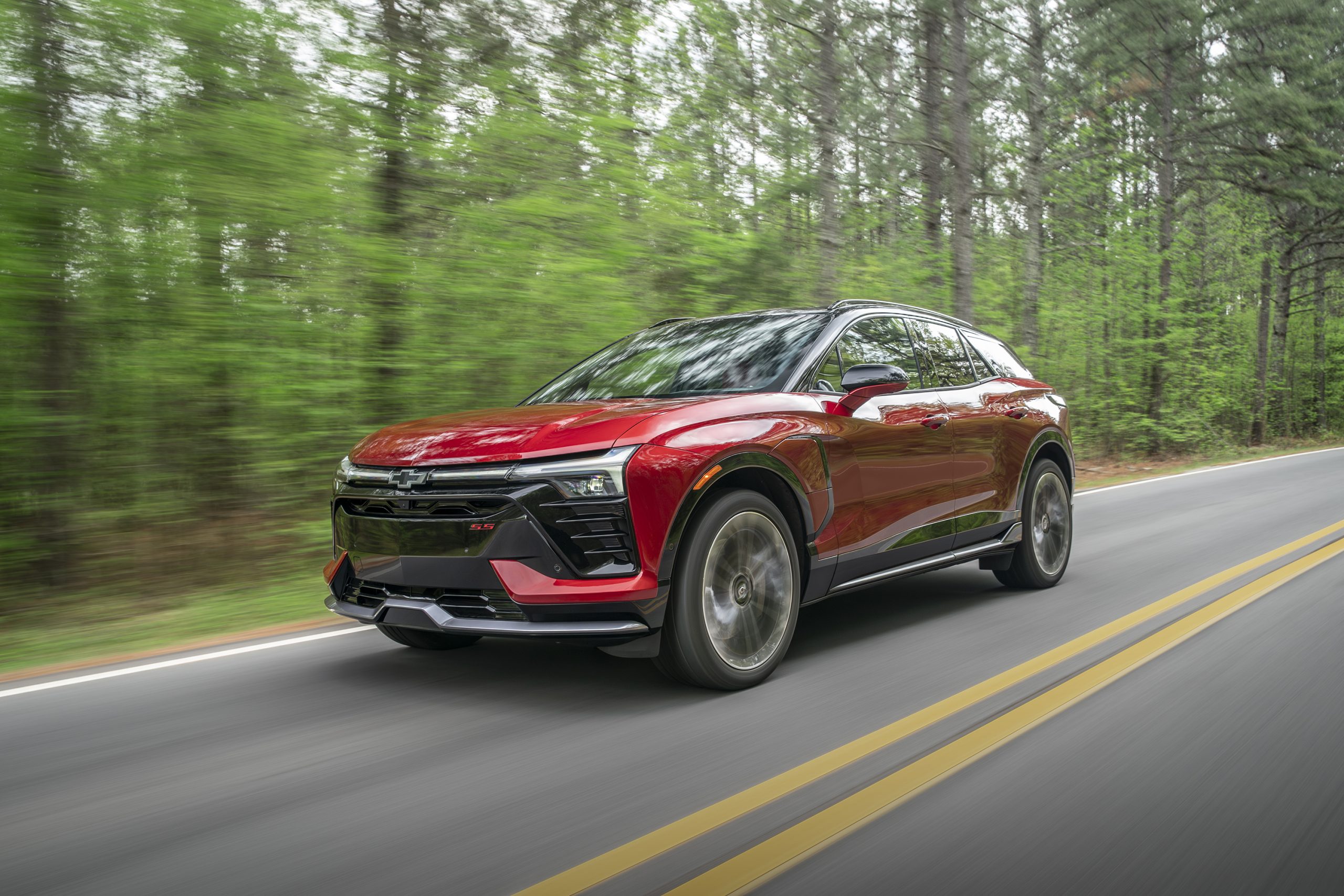
The Chevrolet EV lineup is diverse, offering something for everyone. Whether you have questions about the 2026 Chevy Equinox electric range or wonder which vehicles have the power you crave, we can help. Moran Chevrolet has put together a helpful guide to the Chevy EV lineup.
Chevrolet Bolt
The Chevy Bolt is one of America’s most affordable EVs. The compact SUV offers an EPA-estimated 262-mile electric range. When you need to charge, it offers fast charging with 150 kW public DC fast charging compatibility. That allows you to charge from 10 to 80 percent in just 25 minutes.
Chevrolet Equinox EV
While it’s also a compact SUV, there’s extra space in the Chevy Equinox EV. It offers up to 57.2 cubic feet of cargo space with the rear seats folded flat. The EV also boasts a notable 319-mile electric range, making it perfect for longer trips.
Chevrolet Blazer EV
You’ll get even more space in the Chevy Blazer EV, which carries up to 59.1 cubic feet of cargo with the rear seats down. Select models earn an EPA-estimated 312-mile range. It also boasts riveting power, and the SS model can accelerate to 60 mph in just 3.4 seconds with Wide Open Watts™.
Chevrolet Silverado EV
You get power and efficiency with the Chevy Silverado EV. The full-size truck delivers up to 760 horsepower and 775 lb-ft of torque with Wide Open Watts™. It can confidently tow up to 12,500 lbs and earns a GM-estimated 478-mile range.
Explore the Chevrolet EV Lineup in Clinton Township, MI
There’s so much to love about each of these all-electric vehicles. We can’t wait to see which one you choose. Still can’t decide? Visit Moran Chevrolet to explore our EV inventory today!
Disclaimer: All range figures are estimates based on a full charge. Actual range may vary based on several factors, including ambient temperature, terrain, battery age and condition, loading, and how you use and maintain your vehicle.
Connect with us


- 2025 Chevrolet Models
- 2026 New Models
- Blazer
- Blazer EV
- Chevrolet financing
- Chevrolet Malibu
- Chevrolet Silverado 1500
- Chevrolet Suburban
- Chevrolet Trax
- Clinton Township Chevrolet Dealer
- Clinton Township Chevrolet Service
- Clinton Township Used Cars
- Community News
- Corvette
- Detroit News
- Electric Vehicles
- Equinox
- EV Chevrolet
- Giveaways
- Interior
- Lease
- Moran Chevrolet Clinton Township Service
- Performance
- Safety Features
- SUV
- Uncategorized